
ISPM-15 and Why It Matters for Shipping Bali Furniture Home
Bali Furniture Shipping Editorial Desk 6 min read
On this page
- What exactly is ISPM-15?
- Why does ISPM-15 matter when shipping Bali furniture home?
- How is wood treated and marked to meet ISPM-15?
- Which countries enforce ISPM-15 on Bali furniture?
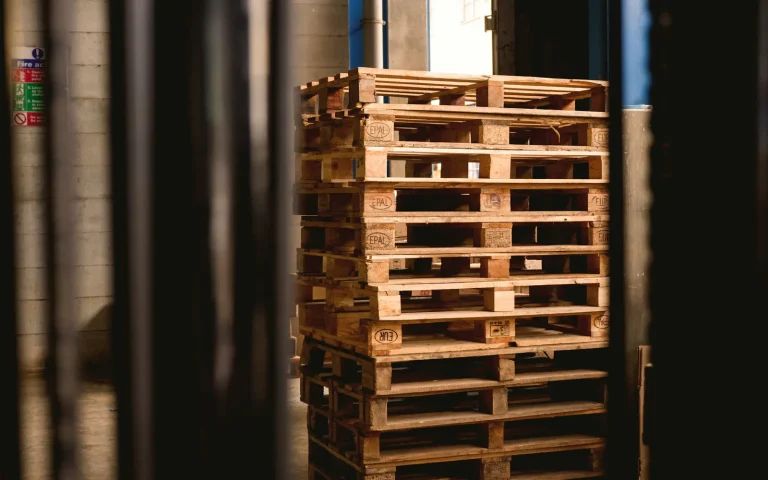
- What does an ISPM-15 crate look like on your Bali shipment?
- Frequently Asked Questions
- Does the Bali furniture itself need ISPM-15 treatment, or just the crate?
- Is heat treatment or methyl bromide better for a Bali furniture crate?
- How can I check my Bali furniture crate is genuinely ISPM-15 compliant?
ISPM-15 is the international phytosanitary standard for wooden packaging — crates, pallets, dunnage and skids — used in cross-border trade. For furniture bought in Bali and shipped home, it matters because customs and biosecurity in Australia, the USA and the EU can hold, treat at your cost, or reject shipments whose wood packaging is untreated or unmarked.
When you buy a teak dining table in Ubud or a rattan daybed in Seminyak, the piece itself is your cargo. What gets inspected first at the border is often the box around it — the wooden crate. That crate is wood packaging material, and it falls squarely under ISPM-15. Get it right and your shipment clears; get it wrong and it sits in a bonded yard while someone fumigates it.
What exactly is ISPM-15?
ISPM-15 stands for International Standard for Phytosanitary Measures No. 15. It is published by the International Plant Protection Convention (IPPC) under the FAO, and it exists to stop timber pests — beetles, borers, fungi — from hitching a ride across borders inside raw wood packaging.
According to the IPPC/FAO standard, solid-wood packaging thicker than 6 mm used in international trade must be debarked and treated, then marked. Thin plywood, oriented strand board and processed panels are generally exempt because manufacturing already kills pests; it is the raw, unprocessed timber in a crate wall or pallet that carries the risk.
Australia’s Department of Agriculture, Fisheries and Forestry (DAFF) confirms that ISPM-15 covers both coniferous and non-coniferous raw wood packaging — pallets, dunnage, crating, cases, packing blocks and skids among them — and that each requires either heat treatment or methyl bromide fumigation to ISPM-15 specification, plus the internationally recognised certification mark.
A quick but important distinction: ISPM-15 governs the packaging, not your furniture. Your solid-teak cabinet is the goods being imported; the crate that protects it is what must be treated and stamped. Both get looked at, but they clear under different rules.
Why does ISPM-15 matter when shipping Bali furniture home?
Because the whole point of buying in Bali is to actually receive the piece intact and on schedule. Non-compliant packaging is one of the most common reasons a furniture shipment gets delayed at destination — and the fixes (offshore fumigation, re-crating, storage fees, or destruction) all land on the importer.
This is exactly why proper ISPM-15 crating is built into the packing standard rather than treated as an afterthought. A crate assembled from treated, marked timber and photographed before it leaves the warehouse gives you a paper trail that customs brokers can present on arrival.
Here is what compliant packaging protects you from:
- Border holds while biosecurity decides whether to treat or return the wood.
- Offshore treatment fees charged at destination, usually far more than treating at origin.
- Re-crating costs if inspectors dismantle non-compliant packaging.
- Missed delivery windows — a hold can add weeks to an already 4–8 week (Australia) or 6–12 week (USA/EU) sea transit.
How is wood treated and marked to meet ISPM-15?
The IPPC/FAO standard recognises two internationally accepted treatments. Both must be verified and then stamped with the compliance mark, which is applied visibly — preferably on two opposing faces of the finished crate so an inspector can find it from either side.
| Treatment | Method | Standard requirement | Mark code |
|---|---|---|---|
| Heat treatment (HT) | Wood heated in a kiln or chamber | Core temperature of 56°C held for at least 30 continuous minutes | HT |
| Methyl bromide fumigation (MB) | Chemical fumigation of the timber | Applied to ISPM-15 specification by a licensed operator | MB |
The mark itself is not a logo you can print yourself. It carries the IPPC “wheat ear” symbol, a country code, a unique producer number issued to an accredited treatment provider, and the treatment code (HT or MB). If any of those elements are missing, the packaging is treated as non-compliant regardless of whether the wood was actually treated.
Which countries enforce ISPM-15 on Bali furniture?
Every major destination for Bali furniture applies the standard, but each layers its own timber and import rules on top. The table below summarises the packaging rule and the extra documentation commonly attached to the furniture itself.
| Destination | Wood-packaging rule | Extra layer on the furniture |
|---|---|---|
| Australia | ISPM-15 enforced by DAFF; HT or MB plus the mark | Strict biosecurity inspection of the goods; declaration required |
| USA | ISPM-15 required on all wood packaging | Lacey Act phase VII (effective 1 December 2024) and TSCA Title VI; CBP entry, an ISF and a Lacey Act declaration typically apply |
| EU | ISPM-15 applied to wood packaging from non-EU countries | Tightening timber-legality and deforestation controls; Indonesian teak commonly relies on SVLK or FSC documentation |
Note that since the US de minimis exemption for Indonesia was suspended by Executive Order in August 2025, commercial shipments from Indonesia to the USA now incur duties and customs processing regardless of value — so clean ISPM-15 packaging removes one variable from an already more complex US clearance.
What does an ISPM-15 crate look like on your Bali shipment?
In practice, Bali furniture is crated close to where it is bought. Kerobokan, in the Denpasar area, is a recognised wood-packaging and crating locality, and a typical workflow picks up finished pieces from Ubud, Seminyak, Canggu and Kerobokan showrooms and consolidates them at a Denpasar-area warehouse for packing.
A properly built crate on that route will show:
- Treated, debarked timber (over 6 mm) forming the frame and walls.
- The ISPM-15 mark stamped on at least two opposing faces.
- Corner protection and internal bracing so the piece cannot shift.
- A photo record of the packed crate before the container is sealed.
These pickup, consolidation and delivery steps are commercial logistics arrangements confirmed per booking — not government regulations — but the ISPM-15 treatment inside them is a hard border requirement. As always, figures and rules here are current as of 2026 and subject to change, with final scope confirmed per quote.
Frequently Asked Questions
Does the Bali furniture itself need ISPM-15 treatment, or just the crate?
ISPM-15 applies to the wood packaging — the crate, pallet and dunnage — not the finished furniture inside. Per the IPPC/FAO standard, it is the raw timber over 6 mm forming the crate that must be heat-treated or fumigated and marked. Your furniture clears under separate import, timber-legality and duty rules at destination.
Is heat treatment or methyl bromide better for a Bali furniture crate?
Both meet ISPM-15, but heat treatment (56°C core for 30 continuous minutes, per the IPPC/FAO standard) is the more common default because it uses no chemicals and leaves no residue near your furniture. Methyl bromide fumigation is a valid alternative where a treatment provider uses it. The compliance mark shows which method was applied — HT or MB.
How can I check my Bali furniture crate is genuinely ISPM-15 compliant?
Look for the IPPC “wheat ear” mark stamped on two opposing faces, showing a country code, a producer number and the HT or MB treatment code. DAFF and other authorities treat packaging without a complete, legible mark as non-compliant. A pre-shipment photo of the marked crate gives you and your customs broker documented proof before it sails.
About the author
Bali Furniture Shipping Editorial Desk
Written by the Bali Furniture Shipping editorial desk at Juara Holding Group. Figures are checked against primary sources and date-stamped; the trade desk confirms every number on quote.
Keep reading
Uncategorized
Bali Showroom Pickup and International Shipping Service: The 2027 Outlook
A 2027 Bali showroom pickup and international shipping service means one concierge books your furniture buy across Ubud, Seminyak, Canggu…
Bali Furniture Shipping Editorial Desk 6 min read

Uncategorized
EU Timber Legality and Bali Teak Furniture Imports in 2027
For Bali teak furniture bound for Europe in 2027, the pivotal change is the EU Deforestation Regulation (EUDR): importers will…
Bali Furniture Shipping Editorial Desk 6 min read

Uncategorized
Relocating to Bali in 2027: Household Furniture Rules and Duty-Free Limits
Relocating to Bali in 2027 looks harder for importing your own household furniture. PMK 25/2025 signals point to duty-free personal-goods…
Bali Furniture Shipping Editorial Desk 6 min read