Crating & Compliance · Heat-treated, IPPC-marked
Bali Furniture ISPM-15 Crating, Built to Export Grade
The crate around your teak daybed decides whether it reaches your living room or waits at the port. Here is the standard we build to, and what it costs.
Quick answer
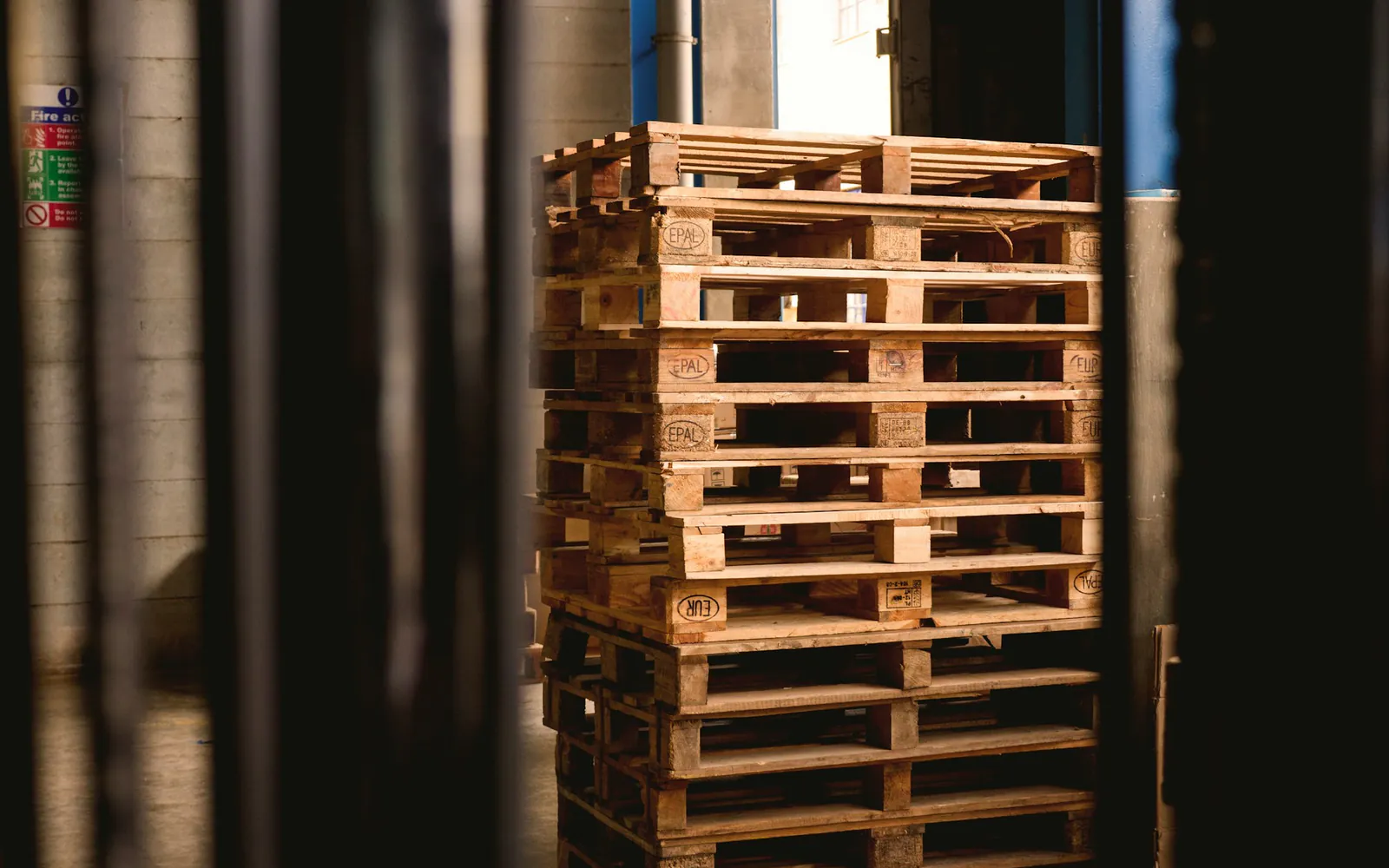
ISPM-15 crating means every solid-wood crate thicker than 6 mm is debarked, heat-treated to a 56°C core for 30 continuous minutes or methyl-bromide fumigated, then stamped with the IPPC mark on two opposing faces.
The standard
ISPM-15 at a glance
The figures every compliant crate must meet.
- Standard
- ISPM-15, set by the IPPC under the FAO
- Applies to
- Solid-wood packaging thicker than 6 mm
- Heat treatment
- 56°C wood core for 30 continuous minutes
- Alternative
- Methyl bromide fumigation to ISPM-15 spec
- Marking
- IPPC stamp on two opposing faces
- Required by
- Australia’s DAFF and the EU


The rule
What exactly is ISPM-15 crating?
ISPM-15 governs the crate, pallet and blocks that carry your furniture, not the furniture itself.
Australia’s Department of Agriculture, Fisheries and Forestry (DAFF) applies it to coniferous and non-coniferous raw-wood packaging: pallets, dunnage, crating, cases, packing blocks and skids. The EU applies the same rule to wood packaging from non-EU countries.
The biosecurity risk sits in the crate, so the crate is what has to comply.
Booking
How compliant crating is booked
-
Share your list
Photos, showroom and rough dimensions of each piece, by WhatsApp or form.
-
Quote in 24h
Scope, per-CBM band, treatment method and destination documents.
-
Pickup & build
Pieces collected and crated to export grade near Kerobokan and Denpasar.
-
Treat & mark
Treated to ISPM-15 spec, IPPC-marked on two faces, photographed before sealing.
-
Consolidate & sail
LCL or full container, with ISF and Lacey (USA) or SVLK/FSC (EU) papers prepared.
-
Home delivery
Door to door to your address in Australia, the USA or the EU.
Treatment
Heat or fumigation?
Both recognised treatments satisfy DAFF and EU biosecurity and earn the same IPPC mark.
Heat treatment is the common default for furniture crates because it leaves no chemical residue. Some buyers and cargoes have a preference, so the trade desk confirms the method per destination on your quote.
Two routes to compliance
ISPM-15 treatments compared
| Treatment | What happens | Compliance mark |
|---|---|---|
| Heat treatment (HT) | Wood core reaches 56°C for at least 30 continuous minutes | IPPC stamp on two opposing crate faces |
| Methyl bromide (MB) | Crate fumigated to ISPM-15 specification | IPPC stamp on two opposing crate faces |

Cost & timing
What compliant crating costs
Crating is built into the export handling on your door-to-door rate, not sold as a separate line item. There is no minimum: LCL starts from 1 CBM, and a multi-item load is its CBM count times the band.
Build, treatment and marking happen inside the pickup-to-consolidation window, so the sea leg stays the long pole. Pickups run from Ubud, Seminyak, Canggu and Kerobokan showrooms to a Denpasar-area warehouse; Kerobokan is a recognised crating locality.
Rate ledger · 2026
Door-to-door bands, crating included
| Route / service | Indicative rate | Sea transit |
|---|---|---|
| LCL → Australia | USD 350–450 per CBM | 4–8 weeks |
| LCL → USA / EU | USD 400–550 per CBM | 6–12 weeks |
| 20ft container (Indonesia–USA) | ~USD 2,500–4,500 | 6–12 weeks |
| 40ft container (Indonesia–USA) | ~USD 4,000–7,000 | 6–12 weeks |
Indicative as of 2026 and subject to change; the trade desk confirms final scope per quote.
Paperwork
Destination documents move with the crate
For the USA, wood furniture falls under Lacey Act phase VII (in force since 1 December 2024) and TSCA Title VI, typically with CBP entry, an Importer Security Filing (ISF) and a Lacey Act declaration. Since the US de minimis exemption for Indonesia was suspended in August 2025, every commercial shipment incurs duties and customs processing.
For the EU, Indonesian teak and other timber commonly rely on SVLK or FSC documentation.
Bali Furniture Shipping is an independent shipping concierge, not a carrier or licensed customs broker. Freight, treatment and clearance are arranged via vetted licensed forwarders.
FAQ
ISPM-15 questions, answered
More on crating & compliance
 Export Packing Service
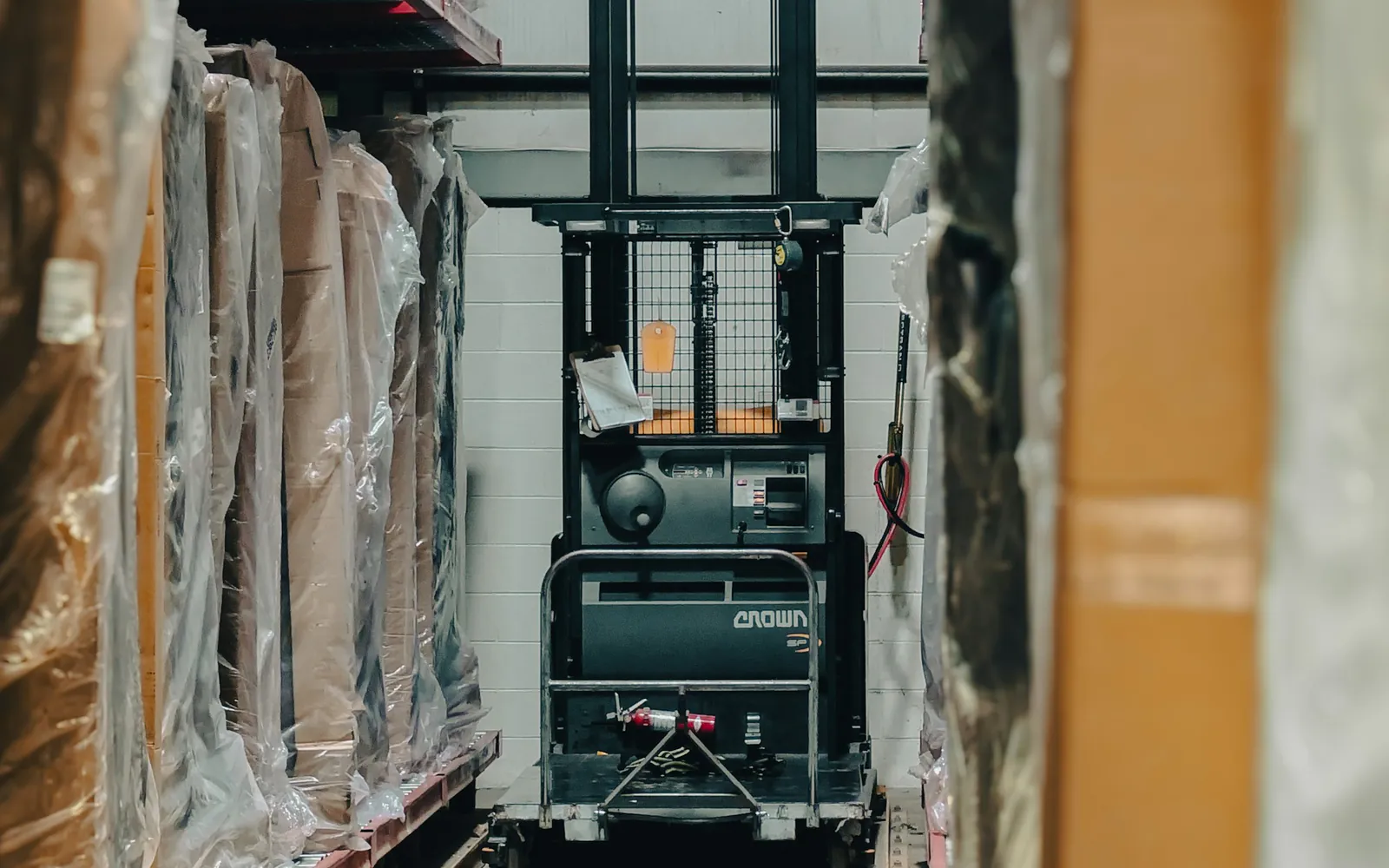
Wrap, block and brace so pieces arrive as they left.
Read
Export Packing Service
Wrap, block and brace so pieces arrive as they left.
Read
 Fumigation Service
Methyl-bromide or heat treatment with certificates.
Read
Fumigation Service
Methyl-bromide or heat treatment with certificates.
Read
 Wooden Crate Export
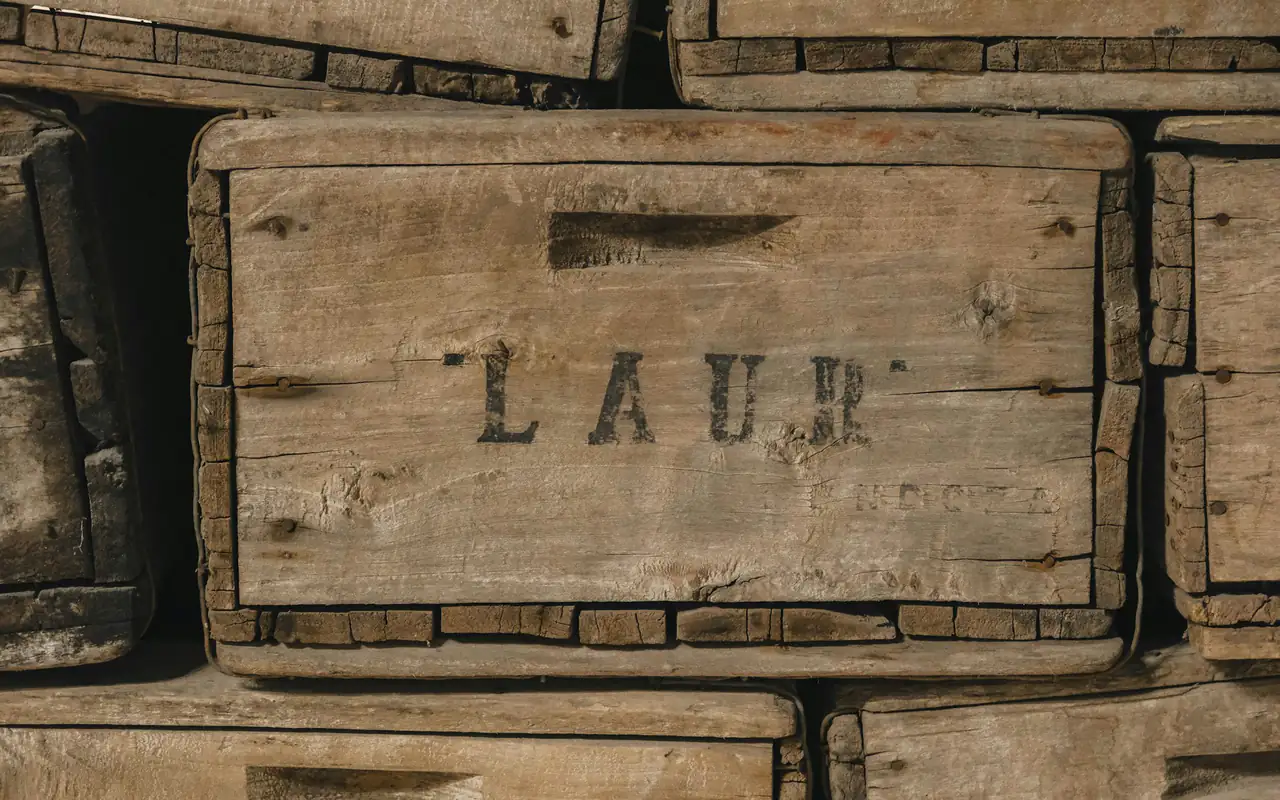
Custom crates sized to each piece, photo-proofed before sealing.
Read
Wooden Crate Export
Custom crates sized to each piece, photo-proofed before sealing.
Read
 Air Freight Cost
When flying a piece is worth it, and what it really costs.
Read
Air Freight Cost
When flying a piece is worth it, and what it really costs.
Read
Talk to the desk
Ready for a crating quote?
Tell the trade desk what you bought and where it is going. A written quote mapping crate, treatment and documents follows within 24 business hours.