
How Do I Insure My Bali Furniture Shipment Against Damage?
Bali Furniture Shipping Editorial Desk 7 min read
On this page
- What kind of insurance actually covers furniture in a sea container?
- How much should you insure your furniture for?
- Which photos and documents make a damage claim stick?
- How do you file a furniture damage claim, step by step?
- What does furniture shipping insurance usually not cover?
- Frequently Asked Questions
- Does marine insurance cover damage if my Bali furniture was badly crated?
- How soon after delivery do I have to report shipping damage to Australia or the USA?
- Can I insure secondhand or antique Bali furniture that has no purchase receipt?
To insure your Bali furniture shipment against damage, buy all-risk marine cargo cover through your forwarder, insured for the replacement value of every piece plus about 10 percent. Photograph each item before crating, keep your invoices, note any damage on the delivery receipt, and file the claim inside the insurer’s window, usually a few days of delivery.
That short version hides a few traps. The biggest one: the “free” liability a shipping line or forwarder gives you is not insurance, and it rarely pays what a carved teak sideboard is actually worth. Here is how the cover really works, and how to make sure a claim gets paid.
What kind of insurance actually covers furniture in a sea container?
Two very different things get confused here. The first is carrier liability, which every sea freight forwarder carries by law. It is capped by weight, not value, so a heavy solid-wood cabinet that arrives cracked might be “covered” for a sum far below what you paid. The second is marine cargo insurance, a separate policy priced on the value of your goods, not their weight. That is the one you want.
Marine cargo cover comes in two broad flavours:
| Cover type | What it protects | Best for |
|---|---|---|
| All-risk (Institute Cargo Clauses A) | Accidental physical loss or damage from almost any external cause, door to door | Most Bali furniture buyers |
| Total-loss / named-peril | Only the container being lost, sunk, or a listed event such as fire | Very low-value or already-damaged goods |
For a load of Ubud or Seminyak furniture, all-risk is the sensible default. Cracked joints, water staining, forklift punctures and handling knocks are the everyday risks of a multi-leg journey, and only all-risk pays for those.
How much should you insure your furniture for?
Insure for what it would cost to replace the pieces, not the price you negotiated at the showroom. The standard marine convention is to insure the goods value plus about 10 percent, which covers freight and a small margin. So a USD 3,000 furniture load shipped for USD 600 would typically be insured for around USD 3,960.
Premiums are a small percentage of that insured value rather than a flat fee, which is why a dedicated furniture shipping insurance policy usually costs less than buyers fear, especially set against a per-CBM freight bill. As of 2026, LCL door-to-door furniture from Bali runs roughly USD 350 to 450 per CBM to Australia and USD 400 to 550 per CBM to the USA and EU, so adding proper cover is a modest slice of the total. For a straightforward household load with professional crating, the premium is usually a minor line on the invoice next to freight. The exact rate depends on the goods, the route and the packing standard, and your quote confirms the figure.
Two rules keep you out of trouble:
- Never under-declare value. Insure for less than the goods are worth and insurers apply “average,” paying only the proportion you insured, even on a partial claim.
- Match the cover to the route. Confirm the policy runs the full door-to-door journey, including the road legs in Bali and at the destination, not just port to port.
Which photos and documents make a damage claim stick?
Pre-shipment evidence is the single biggest factor in whether a claim is paid quickly or fought over. What insurers reject most often is damage they cannot prove happened in transit rather than before it. Photos close that argument.
Before your furniture is crated, make sure you or your concierge captures:
- Wide shots of each piece from several angles, in good light
- Close-ups of any existing marks, so pre-existing wear is on record
- The item as it sits inside the crate, before the lid goes on
- The finished crate, ideally showing the ISPM-15 heat-treatment mark
- A reference photo that ties each item to a line on the packing list
Keep the paper trail together too: the original purchase invoice, the packing list, the bill of lading, and the insurance certificate. A forwarder consolidating at a Denpasar-area warehouse will usually photograph the packing stage as standard, but confirm it rather than assume it. Solid, well-braced ISPM-15 crating is itself a form of insurance, because fewer pieces arrive damaged in the first place.
How do you file a furniture damage claim, step by step?
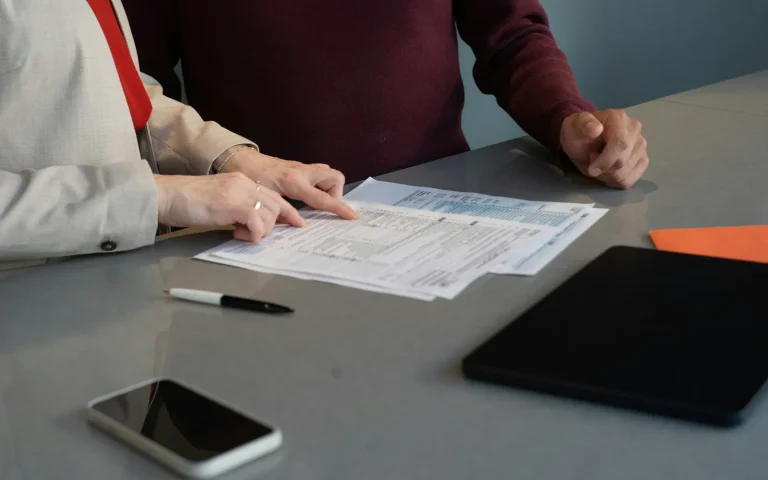
Speed matters. Most marine policies require you to note damage on delivery and report it within a short window, so never sign a clean delivery receipt for a crate that is obviously crushed.
| Step | Action | Timing |
|---|---|---|
| 1 | Inspect on arrival; note visible damage on the delivery receipt | At delivery |
| 2 | Photograph the crate and each damaged piece before unpacking further | Same day |
| 3 | Notify the insurer or forwarder in writing | Within the policy window, often 3 days |
| 4 | Submit the invoice, photos, packing list and survey report | As requested |
| 5 | Get repair or replacement quotes to support the claim value | Before settlement |
Because Bali Furniture Shipping is an independent shipping concierge rather than a carrier or licensed customs broker, the freight and clearance are arranged via vetted licensed forwarders, and the trade desk helps assemble the claim file and liaise with the insurer. Quotes are confirmed within 24 business hours, and the same team walks you through the paperwork if a piece arrives damaged.
What does furniture shipping insurance usually not cover?
Even all-risk cover has limits. As a rule, marine policies exclude:
- Inherent vice, meaning a defect already in the piece, such as timber that was cracking before shipment
- Poor or amateur packing done outside the forwarder’s crating standard
- Ordinary wear, minor surface marks and slow moisture change over a long transit
- Delay, and any loss of value purely from a shipment arriving late
- Consequential loss, such as rental income lost while you wait for a replacement
This is exactly why professional crating and honest pre-shipment photos matter so much: they remove the two arguments insurers lean on hardest to shrink a payout. Every figure here is indicative and dated as of 2026, and the specific terms, exclusions and premium rate are set by the policy your forwarder places, confirmed per booking.
Frequently Asked Questions
Does marine insurance cover damage if my Bali furniture was badly crated?
Usually not. Standard marine policies exclude loss caused by insufficient or unsuitable packing, so damage traced to poor crating can be denied. That is why it pays to use a forwarder’s ISPM-15 crating standard rather than DIY packing, and to keep photos of the finished crate as evidence that professional packing was done.
How soon after delivery do I have to report shipping damage to Australia or the USA?
Report it immediately, and always in writing. Note visible damage on the delivery receipt at handover, then formally notify the insurer within the policy’s claim window, commonly around three days. Waiting past that window, or signing a clean receipt for an obviously damaged crate, is the most common reason otherwise valid furniture damage claims get rejected.
Can I insure secondhand or antique Bali furniture that has no purchase receipt?
Yes, but you must establish an agreed value first. Without an invoice, insurers rely on a written valuation, a dealer appraisal, or comparable market prices, plus clear pre-shipment photos. Document the piece thoroughly before crating so its condition and worth are on record, and confirm the agreed insured value with your forwarder before the shipment sails.
About the author
Bali Furniture Shipping Editorial Desk
Written by the Bali Furniture Shipping editorial desk at Juara Holding Group. Figures are checked against primary sources and date-stamped; the trade desk confirms every number on quote.
Keep reading

Uncategorized
Bali Showroom Pickup and International Shipping Service: The 2027 Outlook
A 2027 Bali showroom pickup and international shipping service means one concierge books your furniture buy across Ubud, Seminyak, Canggu…
Bali Furniture Shipping Editorial Desk 6 min read

Uncategorized
EU Timber Legality and Bali Teak Furniture Imports in 2027
For Bali teak furniture bound for Europe in 2027, the pivotal change is the EU Deforestation Regulation (EUDR): importers will…
Bali Furniture Shipping Editorial Desk 6 min read

Uncategorized
Relocating to Bali in 2027: Household Furniture Rules and Duty-Free Limits
Relocating to Bali in 2027 looks harder for importing your own household furniture. PMK 25/2025 signals point to duty-free personal-goods…
Bali Furniture Shipping Editorial Desk 6 min read