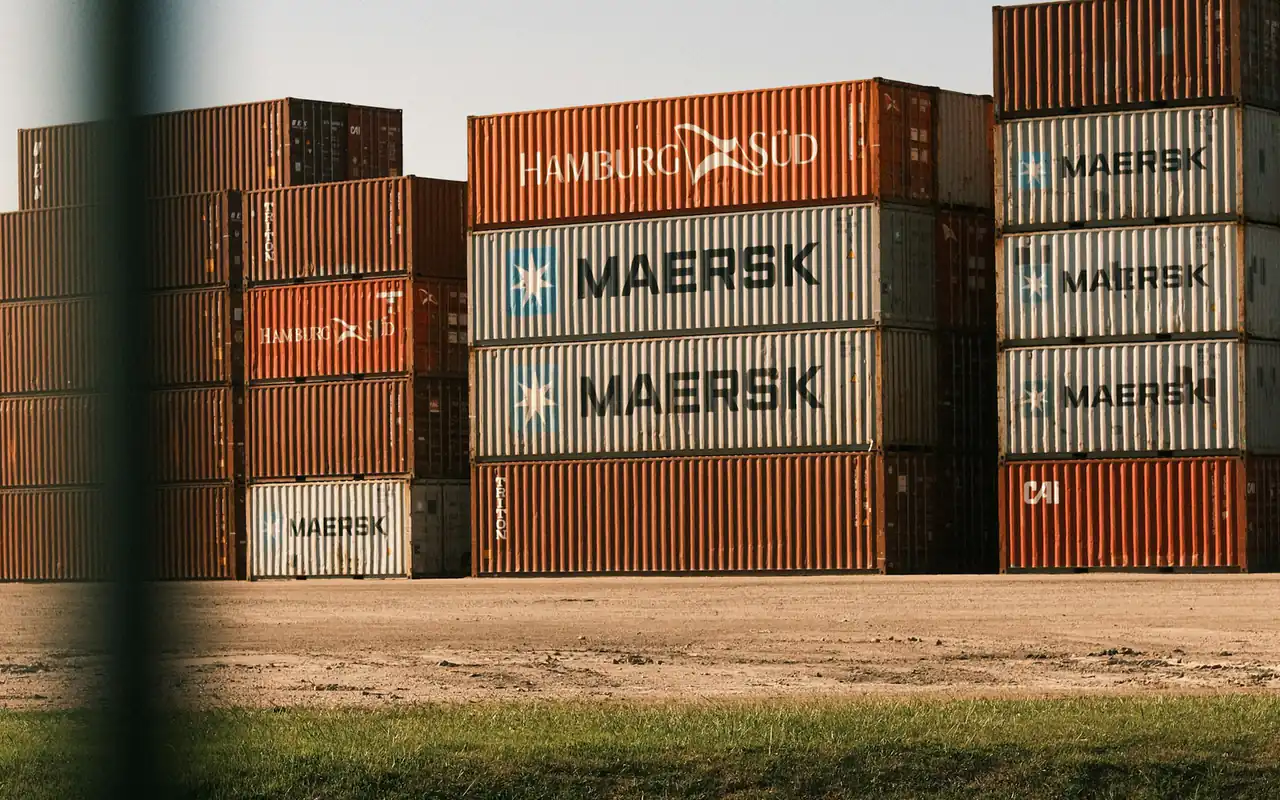
Importing furniture from Bali means buying at a showroom, then having your pieces crated to the ISPM-15 wood-packaging standard, consolidated near Denpasar and shipped by sea. Expect roughly USD 350-450 per CBM to Australia and USD 400-550 to the USA or EU, with 4-12 weeks in transit, as of 2026.
This guide walks the full showroom-to-living-room journey: what to buy, how it gets crated, which papers travel with it, and what happens when your crate lands. For transaction detail, follow the links to the money pages below, or start from the [Bali Furniture Shipping](/) hub.
How does importing furniture from Bali actually work?
Five linked stages: you buy, we crate, we consolidate, it sails, it clears. You choose pieces at a Bali showroom and pay the maker directly. A forwarder collects them, builds a compliant wooden crate, and trucks it to a warehouse near Denpasar for consolidation and loading. At the far end, a licensed customs broker clears the cargo and a local carrier delivers to your door.
You never touch a shipping line. Bali Furniture Shipping is an independent shipping concierge, not a carrier or licensed customs broker, so freight and clearance are arranged via vetted licensed forwarders while we coordinate the chain end to end.
Unsure where your pieces sit? Message the Bali Premium Trip trade desk on WhatsApp 6281128590000.
Which Bali showrooms should you buy from?
Most buyers source across four clusters. Ubud leads for carved teak and reclaimed-wood dining tables; Seminyak and Canggu skew toward contemporary rattan, daybeds and designer collaborations. Kerobokan blends factory-direct workshops with the crating trade, and is a recognised wood-packaging and crating locality in Bali. Pickups commonly run from all four, then consolidate at a Denpasar-area warehouse.
Three things to lock in before you pay:
- Get exact outer dimensions in centimetres for every piece — CBM (cubic metres) drives your whole quote.
- Ask whether the timber is kiln-dried; damp wood can crack in a cold destination climate.
- Request the species and any SVLK or FSC paperwork, especially for teak headed to the EU.
Buying from several showrooms? The trade desk can pool them into one crate — email sales@balipremiumtrip.com.
LCL or full container — which shipping method fits?
Shipping a handful of pieces? LCL (less-than-container-load) shares a container with other cargo and you pay per CBM. Fill a room or a villa and a full container (FCL) usually works out cheaper per piece. There is no minimum order — LCL starts from 1 CBM — and a multi-item load is simply your CBM count multiplied by the relevant per-CBM band.
| Method | Route | Indicative rate (as of 2026) | Sea transit |
|---|---|---|---|
| LCL door-to-door | Bali → Australia | USD 350-450 per CBM | 4-8 weeks |
| LCL door-to-door | Bali → USA / EU | USD 400-550 per CBM | 6-12 weeks |
| 20ft full container | Indonesia → USA | ~USD 2,500-4,500 | 6-12 weeks |
| 40ft full container | Indonesia → USA | ~USD 4,000-7,000 | 6-12 weeks |
These figures are indicative as of 2026 and subject to change; the trade desk confirms final scope per quote. To model your own load, see the [per-CBM shipping cost](/bali-furniture-shipping-cost/) breakdown or the [LCL consolidation](/lcl-furniture-shipping-from-bali/) page.
Want the real number? Send dimensions and destination for a scoped estimate within 24 business hours.
What is ISPM-15 crating, and why does it matter?
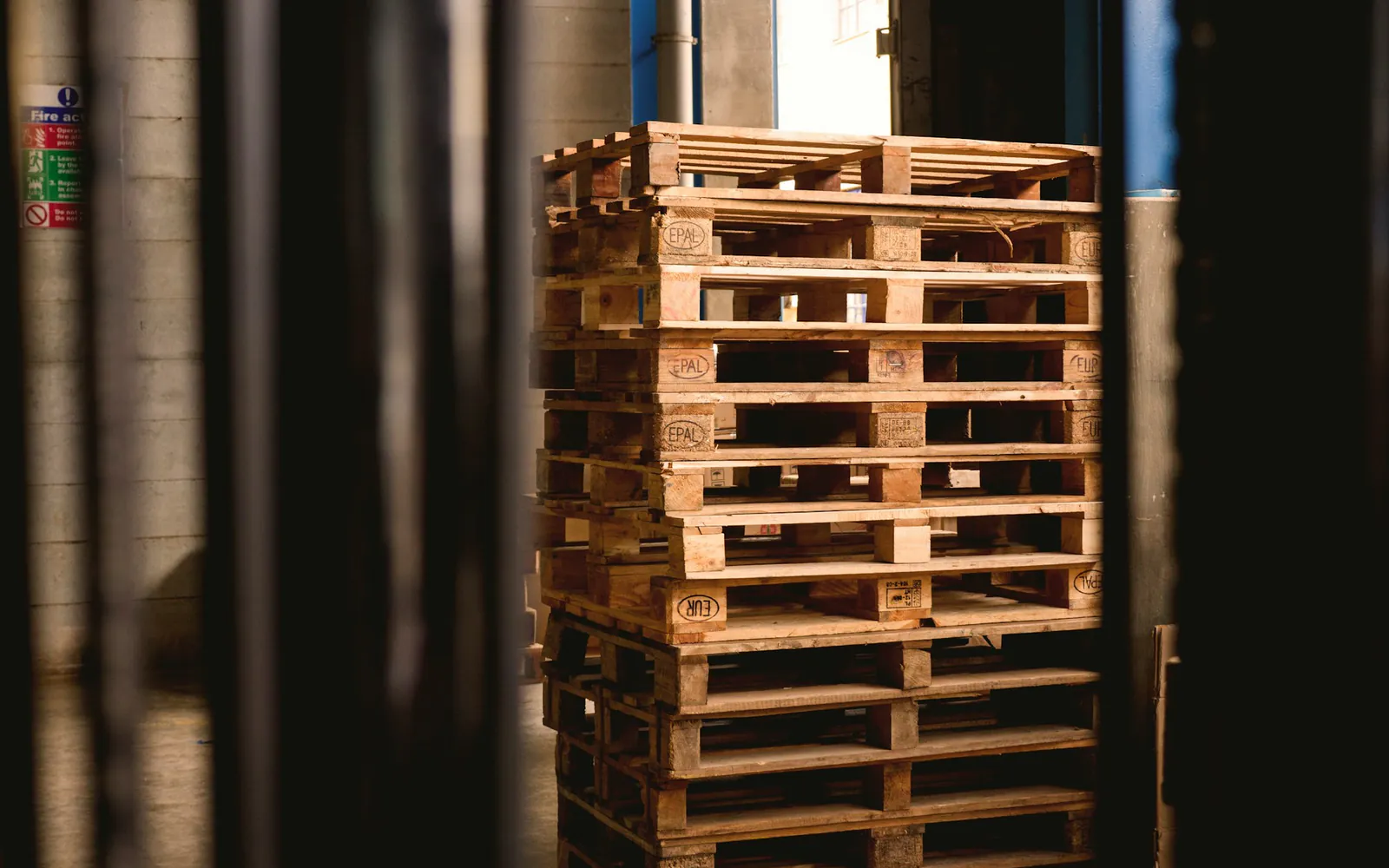
ISPM-15 is the wood-packaging rule that keeps your crate from being turned back at the border. Per the IPPC/FAO standard, solid-wood packaging thicker than 6 mm used in international trade must be debarked and treated, then marked. The two recognised treatments are heat treatment — heating the wood to a core temperature of 56°C for at least 30 continuous minutes — or methyl bromide fumigation. The compliance mark goes on visibly, preferably on two opposing faces of the finished crate.
Australia’s Department of Agriculture, Fisheries and Forestry confirms ISPM-15 covers both coniferous and non-coniferous raw wood packaging — pallets, dunnage, crating, cases, packing blocks and skids — and requires heat treatment or methyl bromide fumigation to ISPM-15 specification plus the certification mark. This rule governs the packaging, not the furniture itself.
Crating is where cheap shipping goes wrong. Ask the trade desk how your pieces will be braced and marked.
Which documents does your shipment need?
Paperwork turns a crate into a legally importable consignment. The core set below travels with almost every shipment; destination filings sit on top.
| Document | What it proves | Typically issued by |
|---|---|---|
| Commercial invoice & packing list | Value, contents, CBM | You / forwarder |
| Bill of Lading (BoL) | Contract of carriage | Shipping line |
| Certificate of Origin (COO) | Made in Indonesia | Indonesian chamber |
| ISPM-15 mark | Wood packaging treated | Licensed treatment provider |
| SVLK / FSC | Legal, traceable timber | Mill / certifier |
| Lacey Act declaration (USA) | Species and origin | Importer / broker |
One missing line can hold a whole crate — the trade desk pre-checks your documents first.
What happens at customs and destination delivery?
Rules now differ sharply by country. For the USA, the de minimis exemption for Indonesia was suspended by Executive Order in August 2025, so all commercial shipments from Indonesia now incur duties and customs processing. US wood-furniture imports fall under Lacey Act phase VII (effective 1 December 2024) and TSCA Title VI, typically requiring a CBP entry, an Importer Security Filing and a Lacey Act declaration. See [furniture shipping to the USA](/shipping-furniture-bali-to-usa/) for the flow.
For the EU, ISPM-15 applies to wood packaging from non-EU countries, and timber-legality and deforestation controls are tightening — Indonesian teak commonly relies on SVLK or FSC documentation. Australia enforces biosecurity inspection but is generally the fastest lane at 4-8 weeks. The World Customs Organization has signalled no Harmonized System overhaul until the HS 2027 update, which may reshuffle furniture tariff codes.
One point for expats, not tourists: Indonesia’s duty-free household-goods relief, linked to PMK 25/2025, narrows from mid-2026 largely to qualifying students and employees, with remote workers and retirees reportedly excluded. That governs goods entering Indonesia, not new Bali furniture heading out.
Destination rules move fast. Confirm the current position for your country with the trade desk before you buy.
How does booking with the Bali Premium Trip trade desk work?
- Share your list — send showroom photos, rough dimensions and your destination on WhatsApp 6281128590000.
- Get a scoped quote — the trade desk returns a per-CBM estimate within 24 business hours.
- Pickup and crate — vetted forwarders collect from Ubud, Seminyak, Canggu or Kerobokan and crate to ISPM-15.
- Sail and clear — consolidation near Denpasar, sea freight, then clearance handled at destination.
- Home delivery — doorstep delivery in Australia, the USA or the EU.
Ready to price your pieces? Message the Bali Premium Trip trade desk on WhatsApp 6281128590000 or email sales@balipremiumtrip.com. Every figure here is indicative as of 2026 and confirmed per quote.
Frequently Asked Questions
Do I need an import licence to bring Bali furniture into Australia?
As a private individual you generally do not need an import licence for a personal furniture shipment to Australia, but every consignment must meet biosecurity rules. The Department of Agriculture, Fisheries and Forestry requires ISPM-15-treated wood packaging and may inspect on arrival. Commercial-scale imports carry more obligations, so the Bali Premium Trip trade desk confirms your scope per quote.
Can I still import household furniture from Bali as an expat in 2026?
If you are buying new furniture to ship home, yes. Note, though, that Indonesia’s duty-free personal household-goods relief, linked to PMK 25/2025, narrows from mid-2026 largely to qualifying students and employees, with remote workers and retirees reportedly excluded. That rule governs used goods brought into Indonesia, not new Bali purchases shipped out.
What taxes will I pay when importing Bali furniture into the USA?
Since the US de minimis exemption for Indonesia was suspended by Executive Order in August 2025, every commercial shipment now incurs duties and customs processing. US wood furniture also falls under Lacey Act phase VII and TSCA Title VI, so expect a CBP entry, an Importer Security Filing and a Lacey Act declaration. Final duty depends on the item’s HS classification.
How long does importing furniture from Bali actually take?
Plan on 4-8 weeks of sea transit to Australia and 6-12 weeks to the USA or EU, as of 2026, on top of lead time for showroom production, crating and consolidation near Denpasar. Custom or made-to-order pieces can add several weeks before anything ships, so order early if you have a fixed move-in date.