
Australia Quarantine-Approved Bali Furniture Packaging
Bali Furniture Shipping Editorial Desk 6 min read
On this page
- What does "quarantine-approved" actually mean for Bali furniture in 2027?
- What do the 2026 signals suggest for 2027?
- Which packaging passes Australian biosecurity, and which gets held?
- How much does compliant crating add to a Bali-to-Australia shipment?
- How do you prepare a 2027 shipment so it clears the first time?
- Frequently Asked Questions
- Is ISPM-15 packaging expected to change for Australia in 2027?
- Does my Bali teak furniture itself need ISPM-15 treatment, or just the crate?
- What happens at the Australian border if my crate has no ISPM-15 mark?
Australia will keep accepting Bali furniture in 2027 only when its wood packaging meets ISPM-15: debarked, heat-treated to a 56°C core for at least 30 continuous minutes (or methyl-bromide fumigated), then stamped with the international mark. Nothing in the 2026 signals points to that baseline relaxing — if anything, expect Australian biosecurity to tighten.
Buying a teak dining set in Ubud or a daybed in Seminyak is the easy part. Getting it past Australia’s border is where shipments stall — and almost always because of the timber that surrounds the furniture, not the furniture itself. Here is what the rules require now, what the 2026 signals suggest for 2027, and how to pack so a crate clears the first time. Treat the forward-looking parts as outlook, not prediction: rules can change, and the Juara Holding Group trade desk confirms current requirements per shipment.
What does “quarantine-approved” actually mean for Bali furniture in 2027?
“Quarantine-approved” is not a stamp on your furniture. It refers to the wood packaging — the crate, pallet, blocks and bracing — that carries your purchase across the sea. Australia’s Department of Agriculture, Fisheries and Forestry (DAFF) confirms that ISPM-15 covers both coniferous and non-coniferous raw wood packaging: pallets, dunnage, crating, cases, packing blocks, skids and similar. Each of these must be either heat-treated or fumigated with methyl bromide to ISPM-15 specification, then carry the internationally recognised certification mark.
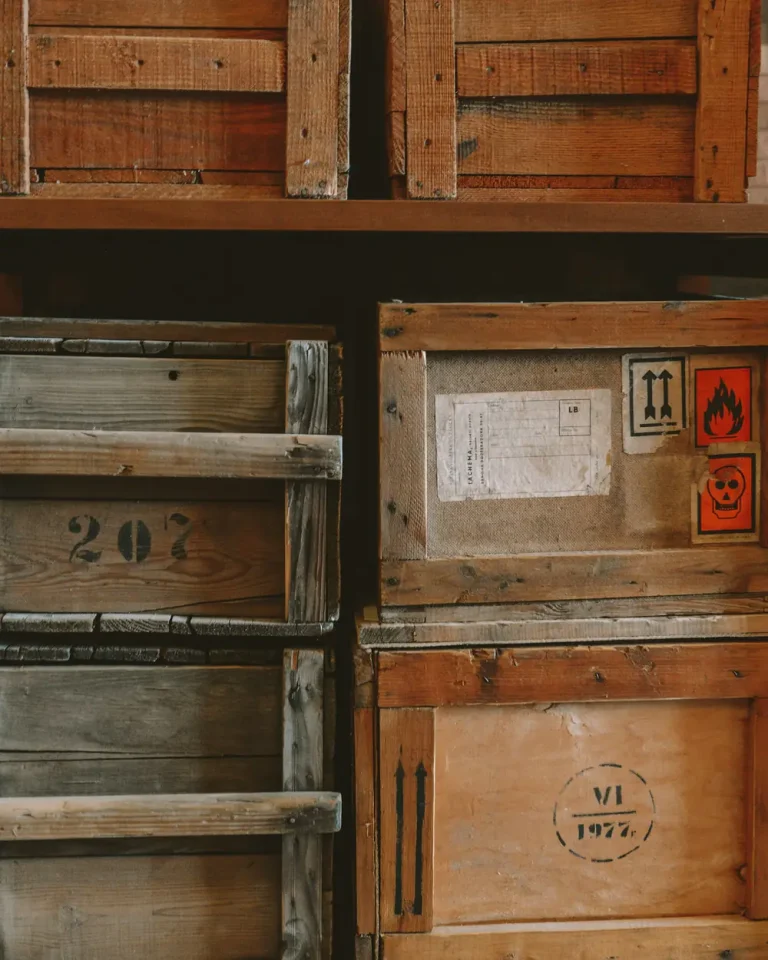
Per the IPPC/FAO ISPM-15 standard, solid-wood packaging thicker than 6 mm used in international trade must first be debarked, then treated. The two internationally recognised treatments are heat treatment — raising the wood’s core temperature to 56°C for at least 30 continuous minutes — or methyl bromide fumigation. The compliance mark is applied visibly, preferably on two opposing faces of the finished crate, so an inspector can read it without unpacking. If you want the full mechanics of how a compliant crate is built, our ISPM-15 crating standard walks through the debark-treat-mark sequence step by step.
One nuance that trips up first-time buyers: the furniture’s own timber and the packaging timber are judged differently. The crate has to be ISPM-15 treated and marked. The teak or mango-wood furniture inside is assessed on its own — bark-free, dry, and clean of soil, seeds and live pests.
What do the 2026 signals suggest for 2027?
This is outlook, not a forecast. As of 2026, the direction of travel across major destinations is toward more documentation and tighter enforcement, not less:
- Australia continues to apply ISPM-15 to all incoming wood packaging and inspects on a risk basis. There is no published signal that the 56°C / 30-minute baseline or the marking rule will loosen in 2027.
- The United States suspended its de minimis exemption for Indonesia by Executive Order in August 2025, so every commercial shipment from Indonesia now attracts duties and customs processing. US wood-furniture imports also sit under Lacey Act phase VII (effective 1 December 2024) and TSCA Title VI.
- The European Union applies ISPM-15 to wood packaging from non-EU countries and is tightening timber-legality and deforestation controls; Indonesian teak commonly relies on SVLK or FSC paperwork.
- Tariff codes may shift: the World Customs Organization has signalled no Harmonized System overhaul before the HS 2027 update, which could reclassify some furniture lines.
For an Australia-bound buyer, the practical read is simple. The biosecurity bar you plan for in 2027 is the same ISPM-15 bar in force today — so build to it now and you are unlikely to be caught out.
Which packaging passes Australian biosecurity, and which gets held?
Most quarantine holds come down to a handful of avoidable faults. This table maps the common ones.
| Packaging condition | Likely DAFF outcome |
|---|---|
| ISPM-15 heat-treated crate, mark on two faces, bark-free | Clears on documentation and inspection |
| Untreated or unmarked wood crate/pallet | Held — treatment or re-export ordered |
| Correct treatment but mark illegible or missing | Held pending evidence; delays likely |
| Bark, soil, seeds or insects present on timber | Fumigation or destruction directed |
| Furniture packed with straw, bamboo or raw plant matter | High-risk; separate biosecurity assessment |
The lesson repeated across every held shipment is the same: treatment without a legible mark is treated as no treatment. An inspector reads the stamp, not your invoice.
How much does compliant crating add to a Bali-to-Australia shipment?
Compliant packing is built into the freight rate, not billed as a surprise. As of 2026, LCL door-to-door furniture to Australia runs roughly USD 350-450 per CBM, with no minimum order — LCL starts from one CBM, and a multi-item load is simply the CBM count multiplied by that per-CBM band. Sea transit to Australia runs about 4-8 weeks. These figures are indicative and the Juara Holding Group trade desk confirms final scope per quote.
| Shipment size | Indicative basis (as of 2026) | Sea transit |
|---|---|---|
| 1 CBM (a chair + small table) | 1 × USD 350-450 | 4-8 weeks |
| 3 CBM (bedroom set) | 3 × USD 350-450 | 4-8 weeks |
| 6-8 CBM (part-house) | CBM count × USD 350-450 | 4-8 weeks |
Full containers are a different lane and priced separately; most single-household Bali buyers stay in LCL because there is no MOQ to hit.
How do you prepare a 2027 shipment so it clears the first time?
A short, boring checklist beats a clever one:
- Buy from showrooms that let you inspect the piece dry and bark-free. Pickups across Ubud, Seminyak, Canggu and Kerobokan feed a Denpasar-area consolidation warehouse.
- Insist on ISPM-15 crating, not repurposed shop timber. Kerobokan and the wider Denpasar area are recognised wood-packaging and crating localities.
- Photograph the treatment mark on two opposing faces before the crate is sealed.
- Keep the furniture clean — no soil in carved detailing, no seeds lodged in weave, no live insects.
- Match your paperwork to the physical crate so the mark, the packing list and the declaration agree.
Do those five things and Australian biosecurity becomes a formality rather than a fortnight of storage fees.
A closing honesty note: Bali Furniture Shipping is an independent shipping concierge, not a carrier or licensed customs broker. Freight and clearance are arranged via vetted, licensed forwarders, and every figure here is dated as of 2026 and subject to change.
Frequently Asked Questions
Is ISPM-15 packaging expected to change for Australia in 2027?
As of 2026 there is no published signal that Australia will alter the ISPM-15 baseline — heat treatment to a 56°C core for 30 minutes or methyl bromide fumigation, plus the international mark — for 2027. Treat this as outlook, not a guarantee; DAFF sets the rules and the trade desk confirms current requirements before each shipment.
Does my Bali teak furniture itself need ISPM-15 treatment, or just the crate?
The ISPM-15 mark applies to the wood packaging — crate, pallet, blocks and bracing — not the furniture. Per DAFF, your teak or mango-wood piece is assessed separately: it must be bark-free, dry and clean of soil, seeds and live pests. The crate carries the treatment mark; the furniture is judged on cleanliness.
What happens at the Australian border if my crate has no ISPM-15 mark?
A crate without a legible ISPM-15 mark is treated as untreated, even if it was heat-treated. DAFF can hold the shipment and order treatment, fumigation, re-export or destruction at your cost, adding storage fees and weeks of delay. The mark, applied preferably on two opposing faces, is what an inspector reads.
About the author
Bali Furniture Shipping Editorial Desk
Written by the Bali Furniture Shipping editorial desk at Juara Holding Group. Figures are checked against primary sources and date-stamped; the trade desk confirms every number on quote.
Keep reading
Uncategorized
Bali Showroom Pickup and International Shipping Service: The 2027 Outlook
A 2027 Bali showroom pickup and international shipping service means one concierge books your furniture buy across Ubud, Seminyak, Canggu…
Bali Furniture Shipping Editorial Desk 6 min read

Uncategorized
EU Timber Legality and Bali Teak Furniture Imports in 2027
For Bali teak furniture bound for Europe in 2027, the pivotal change is the EU Deforestation Regulation (EUDR): importers will…
Bali Furniture Shipping Editorial Desk 6 min read

Uncategorized
Relocating to Bali in 2027: Household Furniture Rules and Duty-Free Limits
Relocating to Bali in 2027 looks harder for importing your own household furniture. PMK 25/2025 signals point to duty-free personal-goods…
Bali Furniture Shipping Editorial Desk 6 min read