
Crating & Compliance · Marine cargo cover
Bali Furniture Shipping Insurance, Door to Door
Your teak bed is trucked, crated and boxed for weeks before it clears customs. Marine cover turns that journey from a gamble into a managed risk.
Quick answer
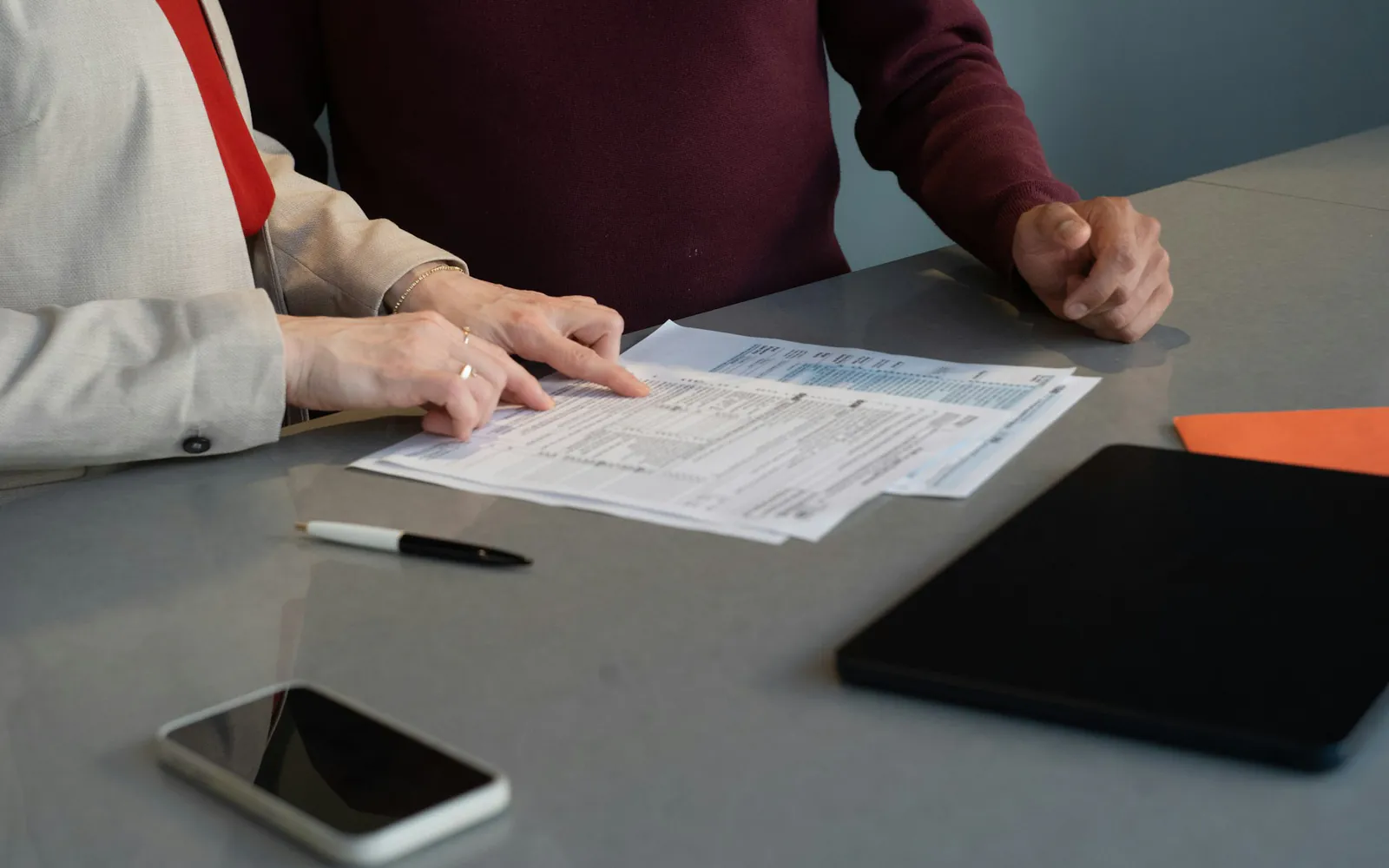
Shipping insurance is marine cargo (transit) cover added to your LCL or container booking. Premiums are a small percentage of declared value, cover the door-to-door journey, and pay out against pre-shipment photos and a documented claim.
The policy
How cover is set
Indicative as of 2026; the trade desk confirms scope and premium on your load.
- Cover type
- Marine cargo (transit) insurance
- Period
- From showroom or warehouse to your delivery address
- Premium
- A percentage of declared value, not a flat fee
- Declared value
- Invoice plus freight, uplifted around 10% (CIF-plus)
- Cover levels
- Total-loss, named-perils or all-risk
- Underwritten by
- Licensed forwarders’ marine insurers, never by us

What it covers
Covered, and not covered
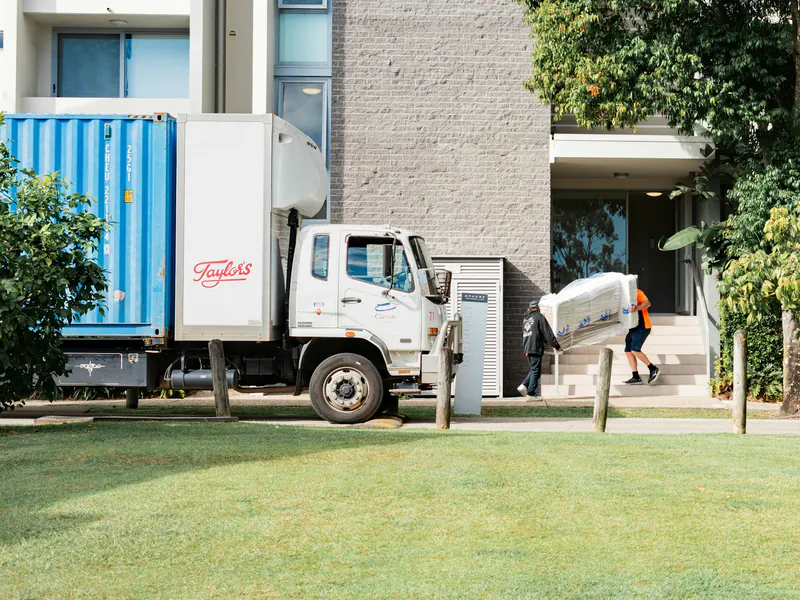
Physical loss or damage in transit, with the payout set by your cover level and how well the shipment is documented.
Typically covered
- Total loss: vessel casualty, container overboard, fire
- Damage from rough handling, crushing, water ingress or road accident
- Theft or non-delivery of insured items
- General average — your share of a jettison or salvage cost, which can be steep without cover
Typically excluded or limited
- Pre-existing defects or damage before dispatch
- Inherent vice: timber cracking or warping from its own moisture
- Insufficient or improper packing
- Ordinary wear, delay-related loss, consequential or financial loss
- Confiscation by customs or quarantine authorities
A professionally crated shipment with a photo record is far easier to claim on.
Adding cover
Insurance is set at the quote stage
Before crating. Quotes return within 24 business hours.
-
Share invoices
Your buy list, showroom invoices and delivery address.
-
Value confirmed
The trade desk confirms CBM, freight and the insurable CIF-plus value.
-
Choose cover
Total-loss, named-perils or all-risk; the premium is added to your quote.
-
Crate & photograph
On approval, ISPM-15 crating is arranged and pre-shipment photos logged.
-
Cargo sails
You receive tracking and shipping documents.
-
Inspect & sign
Check on delivery before signing, with full claims support if needed.
Cost
Priced on declared value
Freight and premium sit side by side on your quote. The norm is to declare invoice plus freight, uplifted around 10% (CIF-plus), so a settlement rebuilds the cost of getting replacement furniture to your door, not just the Bali sticker price.
Rate ledger · 2026
Freight and insurance basis by route
| Route | LCL door-to-door | Full container (Indonesia–USA) | Sea transit | Insurance basis |
|---|---|---|---|---|
| Bali → Australia | USD 350–450 / CBM | — | 4–8 weeks | % of declared value (CIF) |
| Bali → USA | USD 400–550 / CBM | 20ft ~USD 2,500–4,500 · 40ft ~USD 4,000–7,000 | 6–12 weeks | % of declared value (CIF) |
| Bali → EU | USD 400–550 / CBM | Quoted per load | 6–12 weeks | % of declared value (CIF) |
Indicative as of 2026 and subject to change; a multi-item load is its CBM count times the band.

Cover level
Which cover fits your shipment
All-risk is the sensible default for a room-set of hand-made Bali furniture, where a single dented cabinet can outweigh the premium difference.
Total-loss-only is the cheaper floor when the contents are low-value or highly durable.
Three levels
Cover options compared
| Cover option | What it protects | Typical basis | Best for |
|---|---|---|---|
| Total-loss only | Pays only if the whole shipment is lost | Lowest premium | Low-value or highly durable loads |
| Named-perils | Listed events only (fire, sinking, collision, etc.) | Mid premium | Standard crated furniture |
| All-risk | Broad physical loss or damage, minus the exclusions | Highest premium | High-value carved, marble or antique pieces |
Claims
Why pre-shipment photos decide your claim
Insurers pay on evidence, so every crate we arrange is photographed before dispatch: each piece, each surface and the finished ISPM-15 crate. That baseline defeats pre-existing-damage and inherent-vice objections and shortens the survey.
If furniture arrives damaged, the first hours count:
- 01Inspect before you sign. Do not sign a clean delivery receipt if anything looks damaged.
- 02Note it on the POD. A claused proof of delivery is key evidence.
- 03Photograph in situ. Keep the crate and dunnage.
- 04Notify promptly. Tell the trade desk and lodge within the policy window, commonly a few days.
- 05Submit the pack. Invoice, packing list, pre-shipment and damage photos, the claused POD, and a survey report if requested.
- 06Assessment. The insurer or surveyor settles per the policy and your declared value.
Bali Furniture Shipping is an independent shipping concierge, not a carrier or licensed customs broker. We help assemble the claim, but cover is arranged via vetted licensed forwarders and their insurers, who make the payout decision.
FAQ
Insurance questions, answered
More on crating & compliance
 Wooden Crate Export
Custom crates sized to each piece, photo-proofed before sealing.
Read
Wooden Crate Export
Custom crates sized to each piece, photo-proofed before sealing.
Read
 Export Packing Service
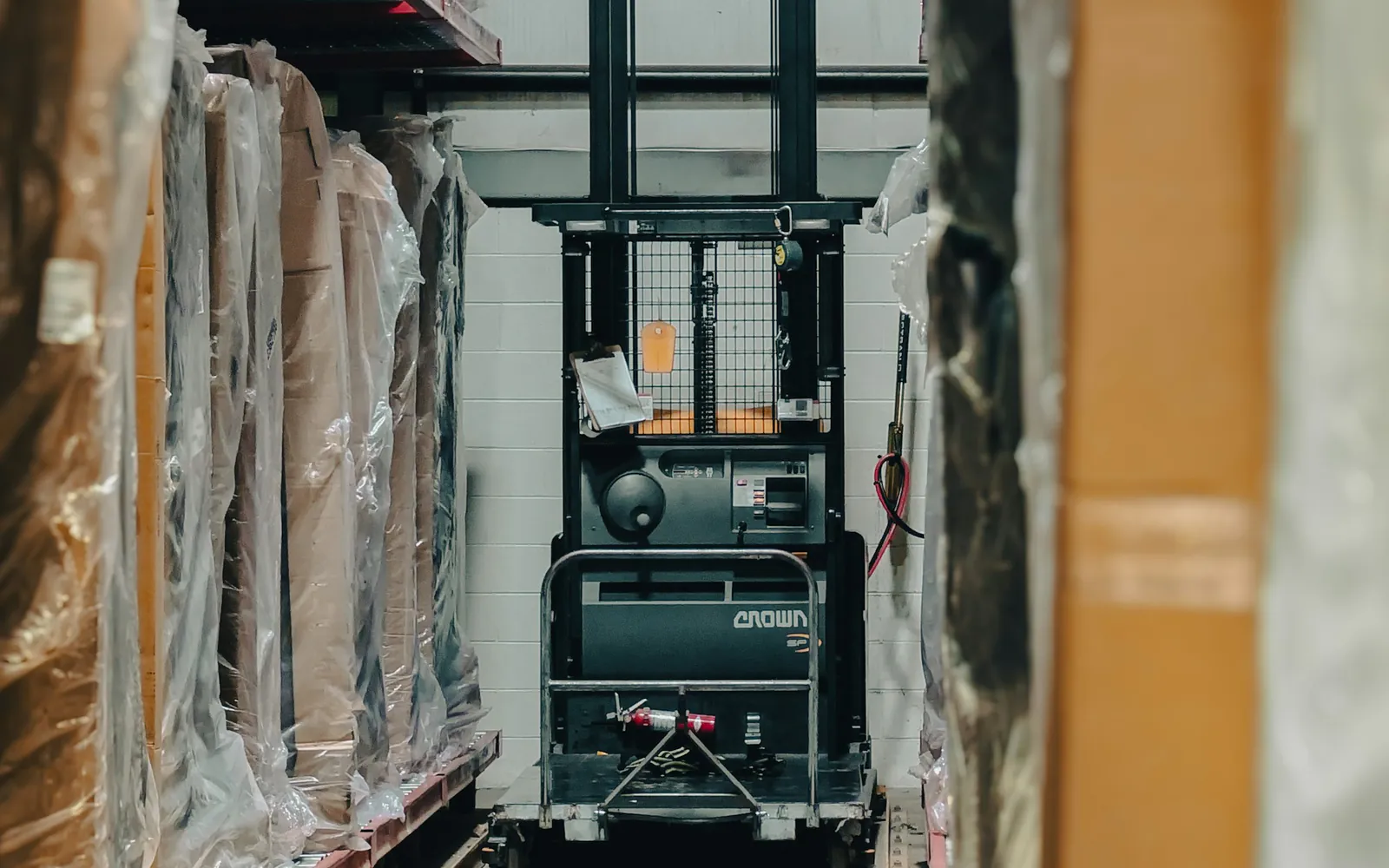
Wrap, block and brace so pieces arrive as they left.
Read
Export Packing Service
Wrap, block and brace so pieces arrive as they left.
Read
 ISPM-15 Crating
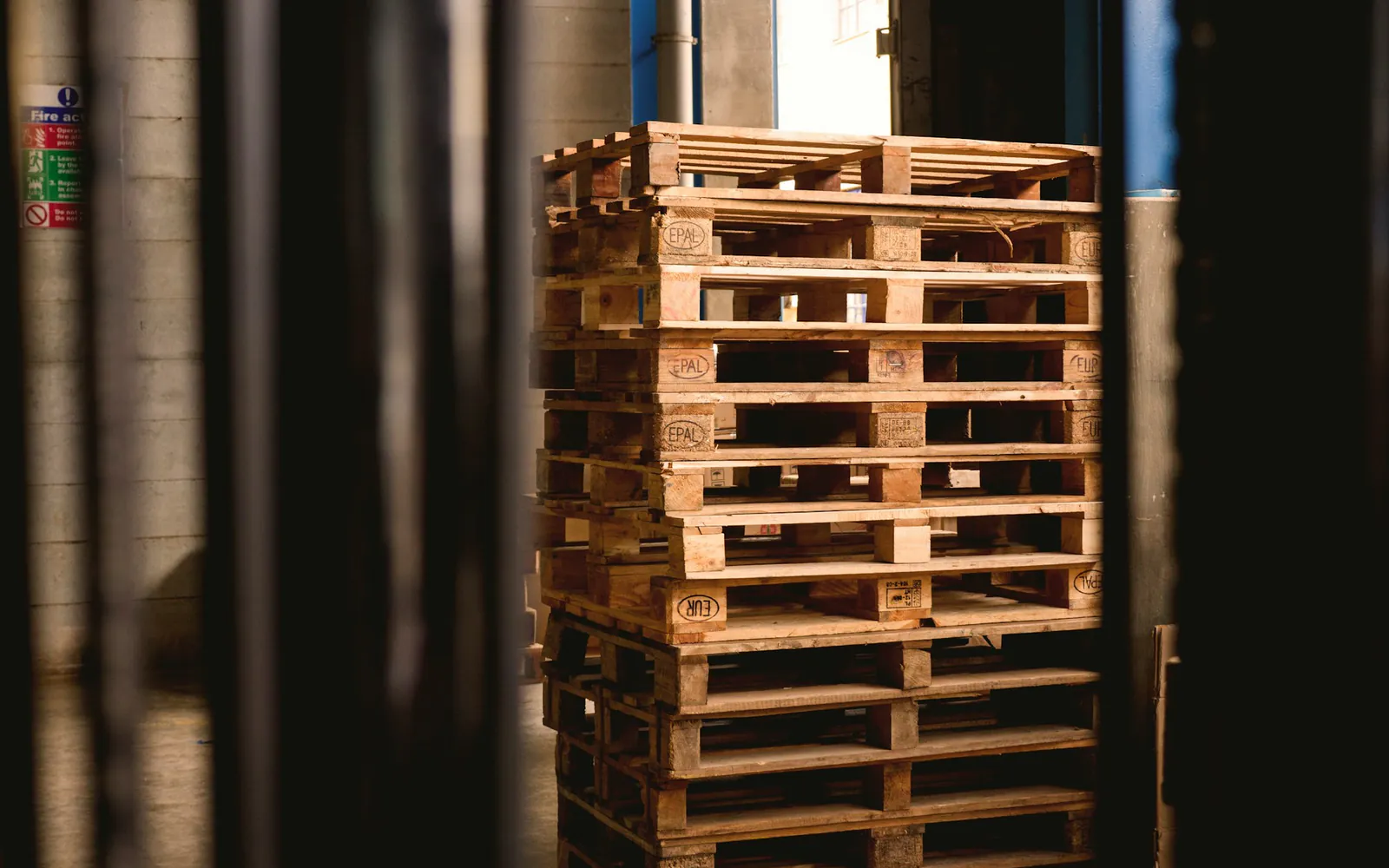
Heat-treated, IPPC-marked export crates built to standard.
Read
ISPM-15 Crating
Heat-treated, IPPC-marked export crates built to standard.
Read
 Australia Door-to-Door
Benoa to Fremantle or Sydney, biosecurity handled.
Read
Australia Door-to-Door
Benoa to Fremantle or Sydney, biosecurity handled.
Read
Talk to the desk
Ready to insure your shipment?
Send your buy list and destination to the trade desk. You get a per-CBM freight quote plus cover options within 24 business hours.